About
I am an Associate Professor of Emerging Media Design and Development, an emerging-media scholar, and a digital humanist. My research examines artificial intelligence, immersive media, and interactive systems, asking who gets to communicate, interpret, and establish meaning as computational systems increasingly participate in mediation.
My work combines critical and interpretive scholarship, empirical research, community-engaged inquiry, research-through-design, and technical development. Building the systems I study helps me make more precise claims about their affordances and constraints while examining how computational technologies shape human experience at individual, community, and institutional scales.
Research, Design, and Technical Practice
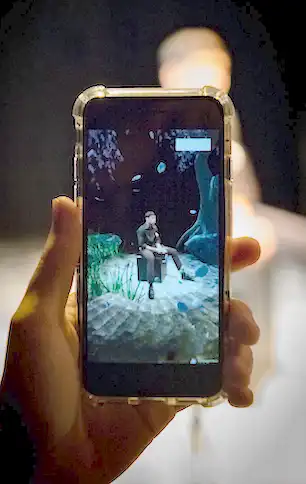
My academic work includes more than 40 peer-reviewed publications spanning emerging media, human-computer interaction, interactive digital narrative, extended reality, artificial intelligence, and community-engaged design. I also have two edited collections: An Educator's Guide to Interactive Digital Narrative: Syllabi and Resources from Around the World and Augmented and Mixed Reality for Communities.
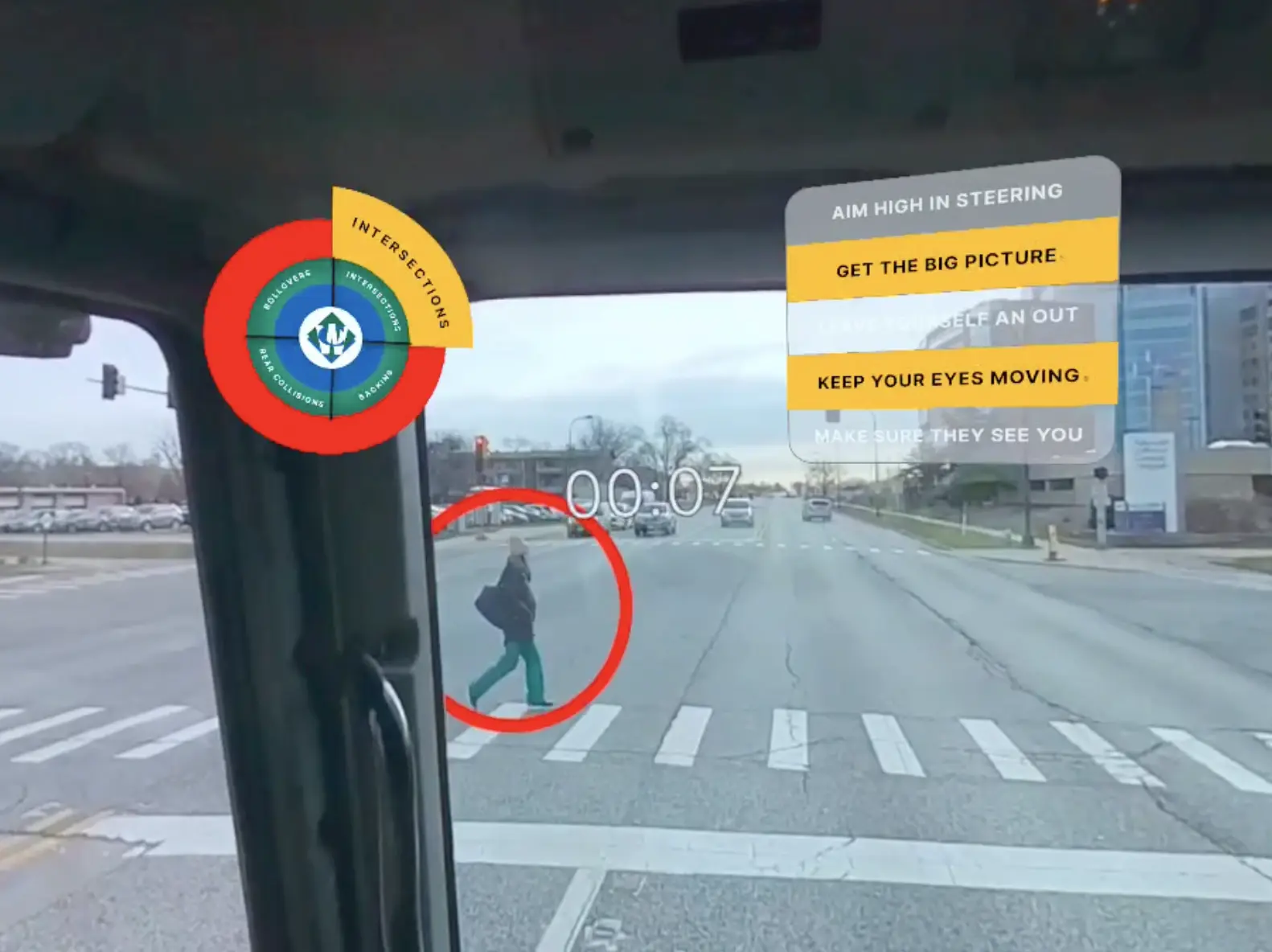
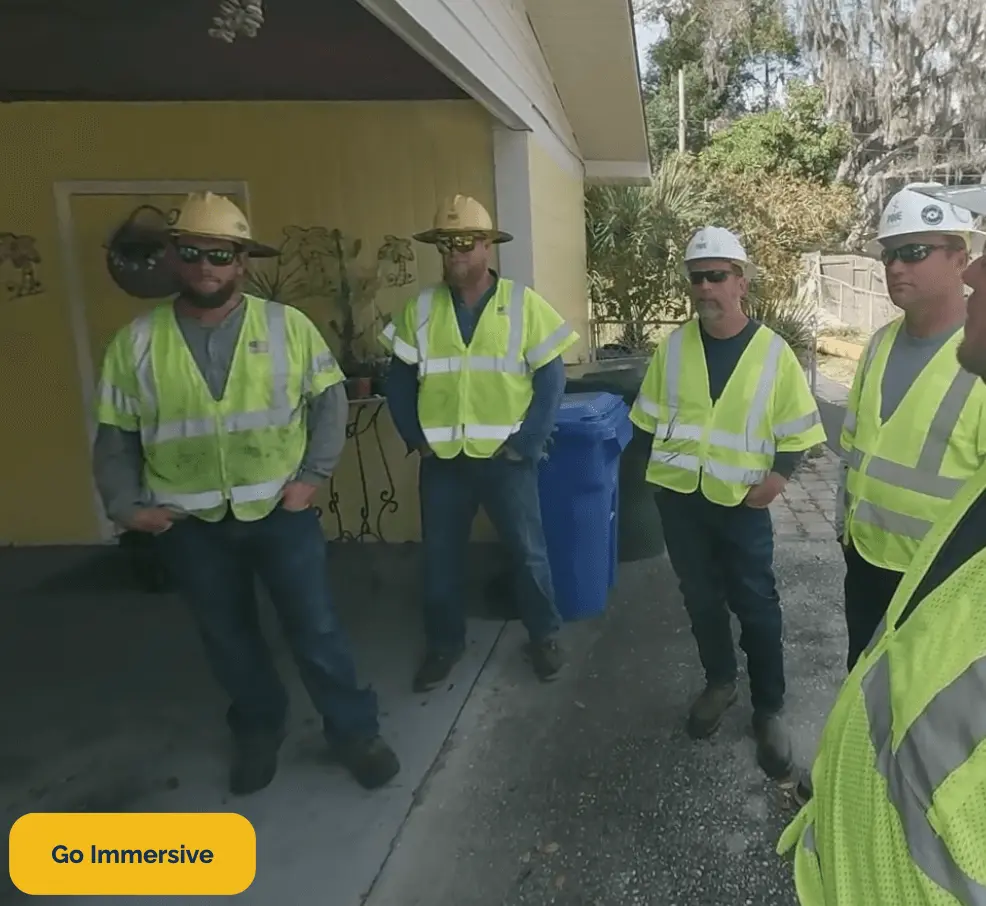
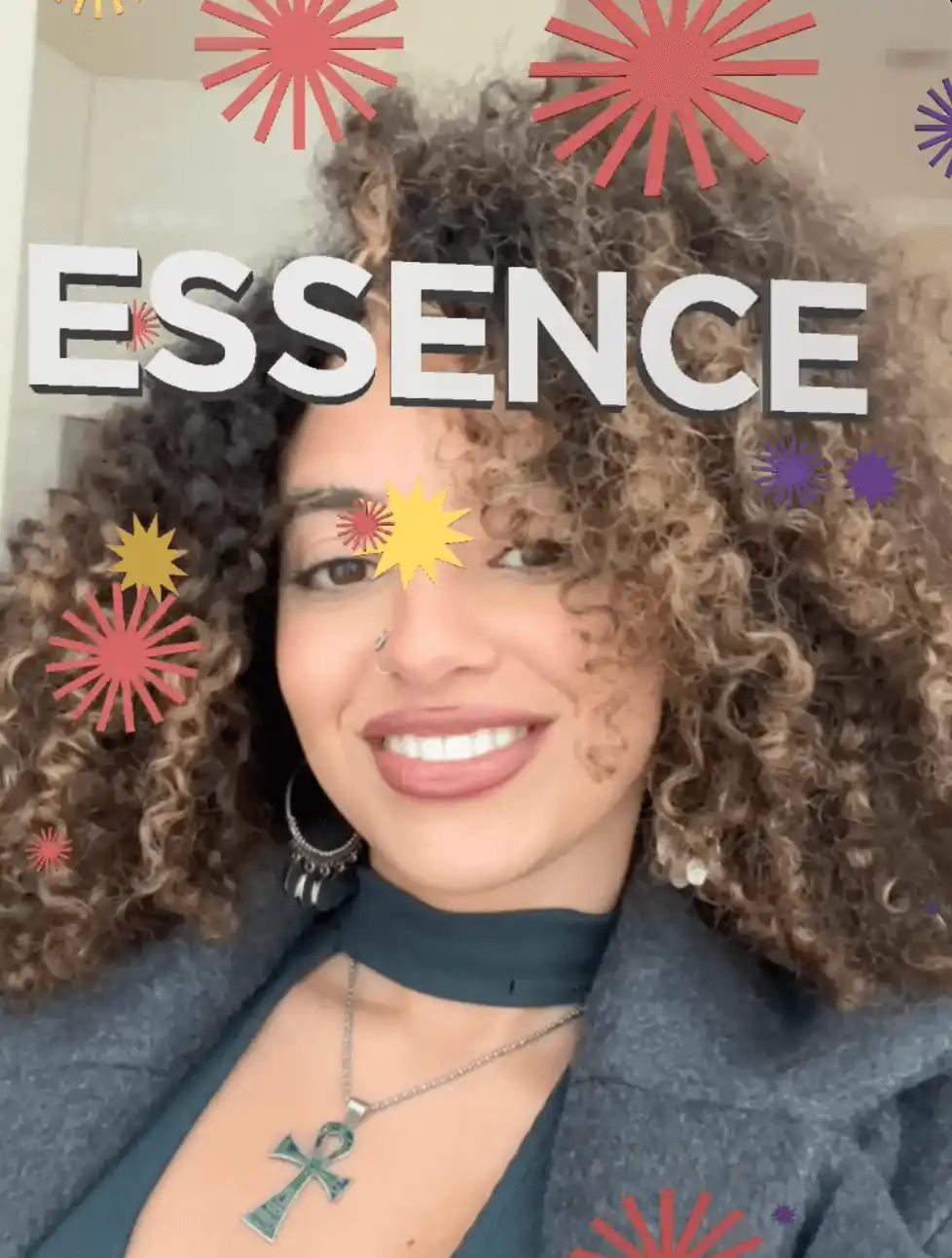
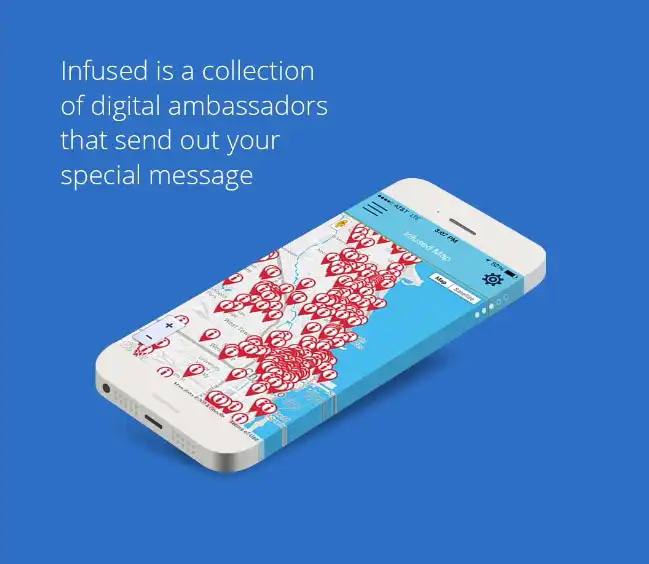
I also design and develop emerging-media systems, from research prototypes to real-world deployments, including applied projects for organizations such as ESSENCE, PIKE Electric, and Waste Connections. This work exposes me to the technical, institutional, and organizational conditions through which emerging technologies move from experimental systems into everyday use.
Teaching, Mentorship, and Community Collaboration
At Ball State University, I teach undergraduate and graduate courses in emerging media, usability and research methods, interactive storytelling, human-centered design, and immersive media development. I also mentor graduate research and creative scholarship across AI, XR, interactive media, user experience, and related areas. As a university-wide Coordinating AI Fellow, I contribute to institutional work around AI strategy, adoption, and responsible use.
Mediated Agency & Situated Meaning
Who gets to communicate, interpret, act, and establish meaning when computational systems actively participate in mediation?
Select a trajectory of my research program to see related projects, scholarship, and future work.
Interactive research map
Trajectory 01 · individual ↔ institution
Mediated Agency & Human Judgment
Examines when people delegate interpretation and decision authority to AI, how trust shifts between human and computational actors, and when people verify rather than defer to automated judgment.
Established projectsBackground
- University-wide AI Coordinating Fellow, supporting strategic AI integration, cross-campus coordination, interface development, and faculty learning communities.
- Co-chair of the XR Certificate and contributor to graduate curriculum and emerging-media program development.
- Graduate research mentor supervising work in human-AI interaction, immersive media, user behavior, and interactive systems.
- Established the college's VR Storytelling and Usability Lab, creating research infrastructure for immersive-media development and human-centered evaluation.
- Mentored graduate and undergraduate researchers, expanded community-facing XR initiatives, and developed an emerging research and policy agenda around applied AI.
- Developed and helped lead undergraduate immersive-media and interaction-design curricula while directing XR production and research infrastructure.
- Integrated community-engaged emerging-media projects into teaching and research through partnerships with Chicago-area organizations.
2015–2019 Earlier Academic Experience Georgia Institute of Technology · 2 appointments
- Designed and developed experimental augmented and virtual reality systems while researching XR interaction and experience design.
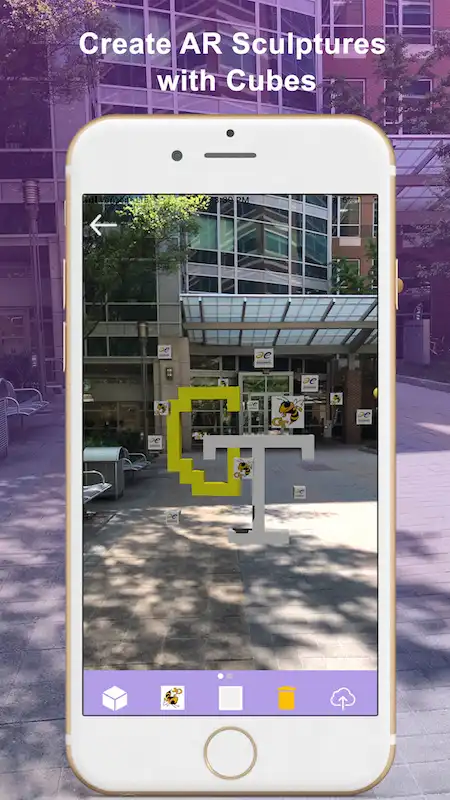
- Led student research teams and developed university-community partnerships around socially engaged AR storytelling.
Guiding Philosophy
My research, teaching, and creative practice are grounded in a digital humanist commitment to meaningful human agency, interpretation, and participation. I study how AI, immersive media, and interactive systems distribute agency and hermeneutical authority. In summary, I explore who is empowered to produce, organize, interpret, contest, and establish meaning among humans, communities, institutions, and computational systems. I am particularly curious about how the design, governance, and social contexts of technology expand or constrain that participation.
I approach emerging media as both a scholar and a builder: designing and developing the systems I study helps me make more precise claims about their affordances, limitations, and consequences. Whenever possible, I do this work with communities.
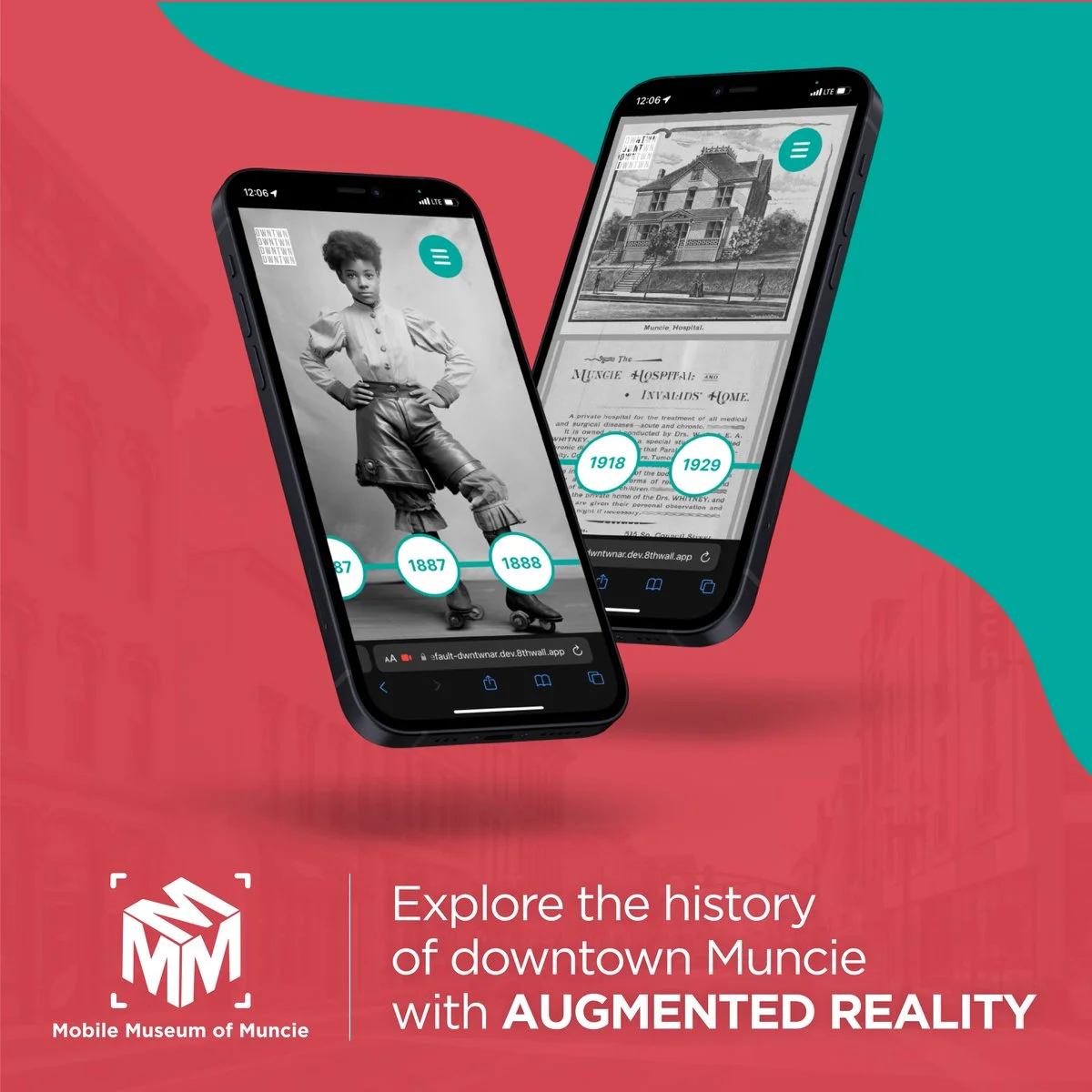
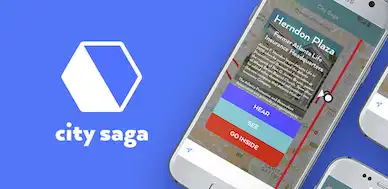
Community engagement is central to my work and I have had the pleasure of working with groups such as the Economic Awareness Council, Atlanta Bicycle Coalition, the O, Miami Poetry Festival, Lurie Children's Hospital, and DWNTWN. I prioritize co-design, locally situated knowledge, representational plurality, and reciprocal partnerships. This is an approach that lets me examine how institutional priorities, labor arrangements, and commercial incentives shape whose agency and interests emerging-media systems ultimately serve.As an educator shaped by constructivist and dialogic pedagogy, I connect critical theory with experimentation and making. I encourage students to question what technologies make possible, what they make difficult, and whose interests their design choices serve. Ultimately, I hope to impart a technical fluency with ethical judgment, human-centered research, and thoughtful design practices to my students.
My Research Methods, Design & Technical Practice
Human-Centered & Social-Scientific Research
-
Experimental & Survey Design
-
Qualitative Interviews & Thematic Analysis
-
Mixed-Methods Research & Usability Evaluation
-
Participatory Design & Research-through-Design
-
Instrument Development & Human-Subjects Research
AI & Interactive Systems Research/Development
-
Human-AI Interaction & Agency
-
Generative & Conversational AI
-
NLP & Computer Vision for Interactive Systems
-
AI-Enhanced Interactive Experiences
-
Data & Document Preparation for AI Workflows
XR Development & Spatial Interfaces
-
Unity (C#), WebXR & Mobile AR
-
XR Interaction & Interface Design
-
Spatial Prototyping & Immersive UX
-
Photogrammetry & Volumetric Capture
-
Interactive Narrative & Experience Design
Technical Prototyping & Development
-
Interactive Web & Mobile Prototyping
-
JavaScript, Three.js, React & HTML/CSS
-
Back-End & Data-Driven Application Development
-
Rapid Prototyping & Iterative Development
Research Leadership & External Partnerships
-
University-Wide AI Coordination & Strategy
-
Research Lab & Program Development
-
External Partnerships & Funded Applied Projects
-
Interdisciplinary Research Collaboration
-
Grant Development & Project Leadership
Critical, Interpretive & Humanistic Inquiry
-
Digital Humanism & Critical Media Analysis
-
Science, Technology & Society Studies
-
Rhetorical & Narrative Analysis
-
Sociotechnical & Institutional Analysis
-
Ethics, Governance & Interpretive Inquiry
Selected Graduate Research Mentorship
Selected graduate researchers and creative practitioners I have chaired or supervised across social-media behavior, immersive media, privacy, and interactive systems.
View full mentorship recordO. Ogunsola
Beyond Likes: How Personality Traits Predict Saving Behavior on Instagram
A. Jamil Pour
Designing a VR Application to Reduce Public Speaking Fears by Incorporating Personalized Scenarios and Virtual Audiences
Z. Aamir
User Privacy Considerations in Virtual Reality
Z. Reyes
The Impacts of Virtual Reality Avatar Creation and Embodiment on Transgender and Genderqueer Individuals in Games
Academic Leadership & Service
Selected editorial, professional, and public-facing service supporting emerging-media scholarship, interdisciplinary research, and technology policy.