What We Mean
An interactive mobile poetry chapbook transforming WWII love letters through blackout poetry, archival reading, and reader-created remix.
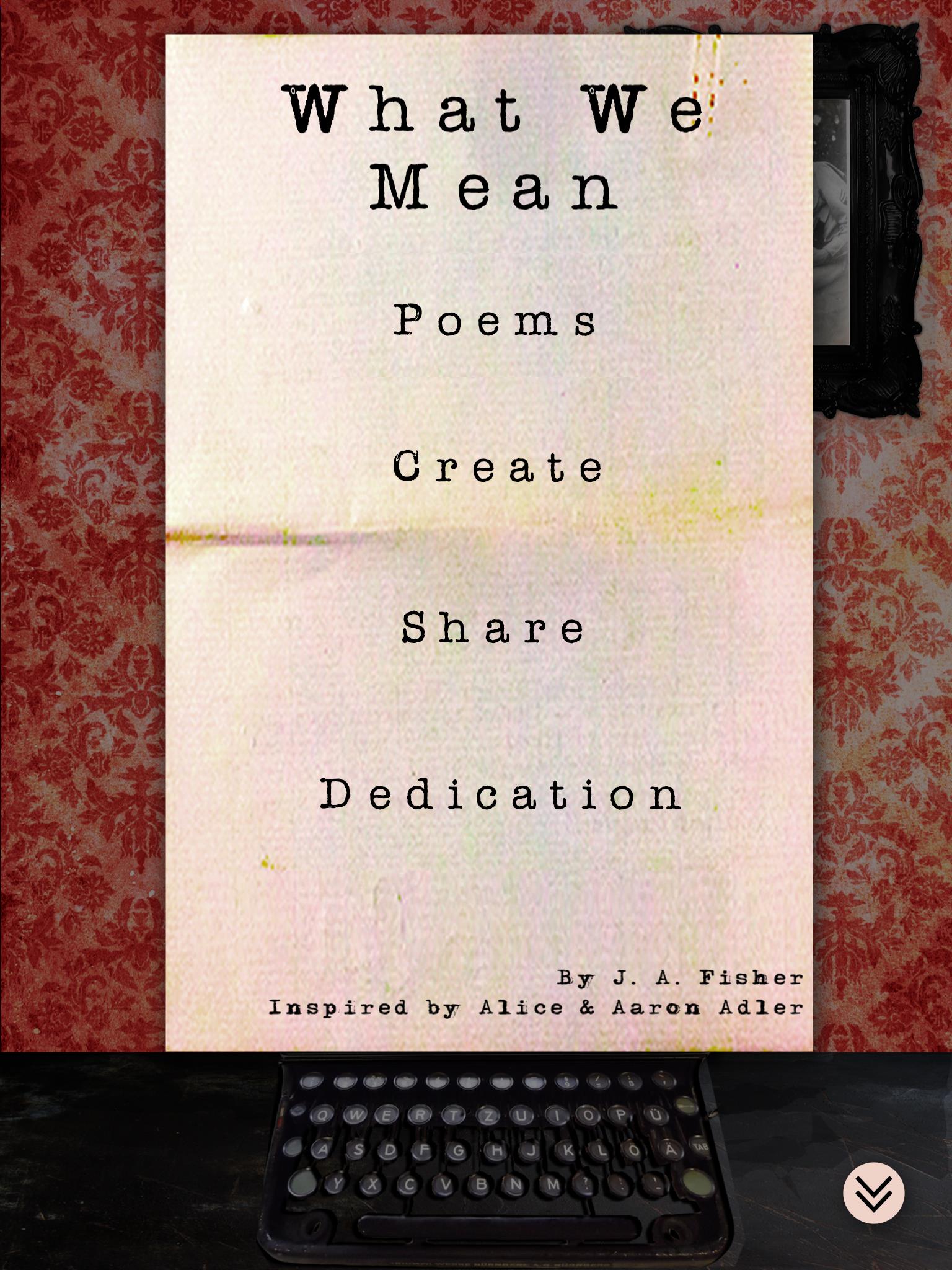
A mobile poetry book could be more than a smaller e-book.
What We Mean was created in 2012, when most digital literary publishing still reproduced the page on a screen. I wanted the phone itself—touch, camera, layered interfaces, and reversible navigation—to become part of the poetic form.
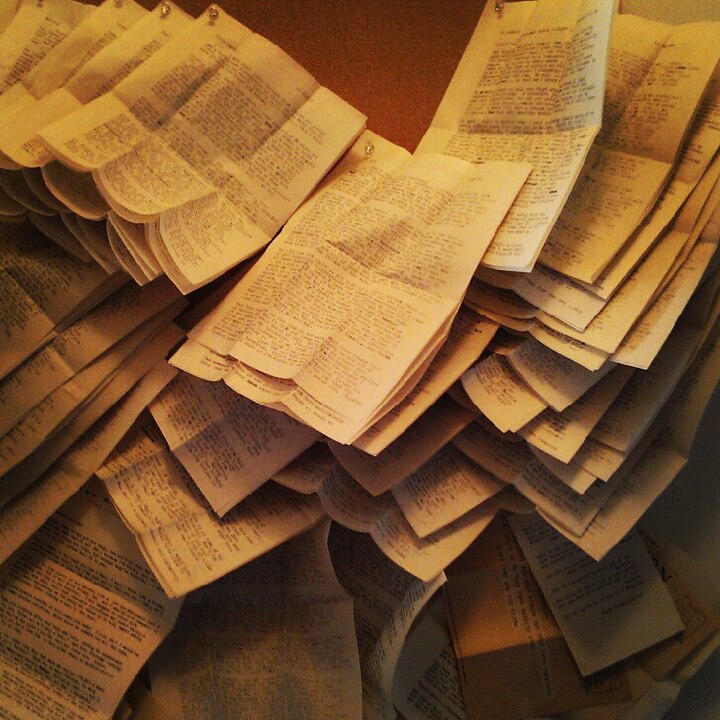
The work is built from love letters written between my grandparents during World War II. I transformed twenty letters into blackout poems, creating a final imagined conversation between grandson and grandfather while keeping the archival letters available beside the new work.
A fully authored literary-computational work.
I wrote the poetry, conceived the interaction, designed the interface, developed the application, and managed its release. Unlike the faculty-led team projects elsewhere in this portfolio, this is a solo creative work.
My role
Author · Designer · Developer. Concept, poetry, interaction design, visual design, software development, and release were my work.
Readers could move continuously between archive, poem, and their own act of redaction.
Readers swiped between the intact wartime letters and the blackout poems created from them, allowing the archival source and the poetic intervention to remain in tension. The application also opened the device camera so readers could create their own blackout compositions from material in the world around them.

One of my earliest experiments in treating computation as part of literary meaning-making.
The application was publicly released and recorded more than 500 downloads. In 2013, The Guardian selected it among its Top 10 iOS apps in January, and Corona SDK gave the work an honorable mention.
The interaction between archive and mobile poetry.
The questions were already about mediation, interpretation, and agency.
Long before my current AI work, What We Mean asked a related question: what happens when a computational interface becomes part of interpretation rather than merely delivering a finished text? The reader could recover the archival letter, accept the authored blackout poem, or use the device to construct another meaning themselves.
Selected reception.
- Press Recognition · 2013The Guardian — Top 10 iOS Apps for What We Mean in January.
- Award · 2013Corona SDK — Honorable Mention for What We Mean.